
Last Updated on September 14, 2026 by Jawad
Introduction
A 27-inch 1440p gaming monitor is considered one of the best choices for modern gaming because it offers an ideal balance between sharp visuals, smooth performance, and screen size. The 2560×1440 resolution provides noticeably better image clarity than 1080p while remaining less demanding than 4K, making it perfect for high-refresh-rate gaming. Many 27-inch 1440p monitors feature refresh rates of 144Hz or higher, fast response times, and adaptive sync technologies like FreeSync or G-SYNC for smoother gameplay.
This monitor size also delivers an immersive viewing experience without overwhelming desk space. Whether for competitive esports or AAA titles, a 27-inch 1440p monitor offers excellent overall gaming performance.
We also have a recommendation for the Best 27 Inch OLED Gaming Monitor, so make sure to check that out too!
How We Choose Products
- We evaluate products based on the factors that matter most to shoppers, including specifications, features, design, materials, performance, functionality, ease of use, intended use, durability, and overall value.
- Our recommendations are based on information available from manufacturers, retailers, product listings, customer feedback, and other publicly available sources, combined with our own independent editorial analysis.
- We aim to provide accurate, useful, and easy-to-understand product information. We distinguish manufacturer or retailer claims from our own assessment and avoid presenting marketing claims as independently verified facts.
- We do not claim to have personally tested a product unless we have hands-on experience with it. When we have not personally tested a product, our evaluation is based on available product information and careful editorial research.
- Our goal is to help readers compare their options and make more informed purchasing decisions based on their needs, preferences, and budget.
Top 27 Inch 1440p Monitor for Gaming


Comparison
| Monitor | Image | Rating | Panel Type | Resolution | Refresh Rate | Response Time | Adaptive Sync | Best For | Buy |
|---|---|---|---|---|---|---|---|---|---|
|
ASUS ROG XG27AQDMG 🏆 Best Overall 🔥 Top Pick |
 | ★★★★★ | OLED | 2560×1440 | 240Hz | 0.03ms | G-SYNC Compatible | Premium OLED Gaming | Check Price |
| AOC Q27G3XMN |
 | ★★★★★ | Mini-LED | 2560×1440 | 180Hz | 1ms | Adaptive Sync | HDR Gaming | Check Price |
|
Acer Nitro KG271U N3 ⭐ Best Value |
 | ★★★★☆ | IPS | 2560×1440 | 180Hz | 0.5ms | AMD FreeSync | Competitive Gaming | Check Price |
| KOORUI 27″ QHD IPS |
 | ★★★★☆ | IPS | 2560×1440 | 170Hz | 1ms | G-SYNC / FreeSync | Balanced Performance | Check Price |
|
SANSUI 27″ WQHD IPS 💰 Best Budget |
 | ★★★★☆ | IPS | 2560×1440 | 200Hz | 1ms | Adaptive Sync | Budget 1440p Gaming | Check Price |
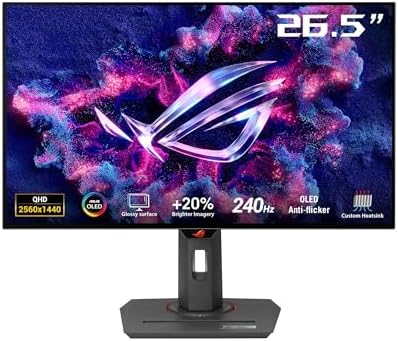
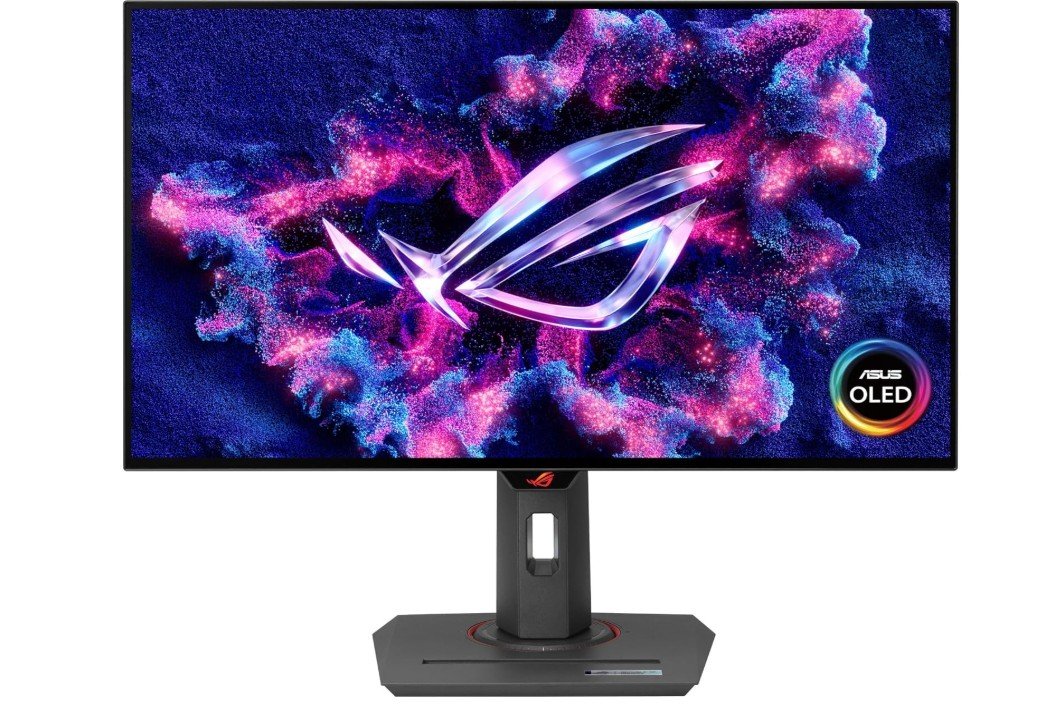
The ASUS ROG Strix XG27AQDMG is a premium 27-inch OLED gaming monitor built for serious gamers who want top-tier speed and stunning image quality. Its glossy QHD OLED panel delivers perfect blacks, incredible contrast, and vibrant colors with 99% DCI-P3 coverage, making games look absolutely gorgeous. The 240Hz refresh rate and ultra-fast 0.03ms response time provide exceptionally smooth motion and near-instant responsiveness for competitive gaming.
G-SYNC compatibility and anti-flicker features help maintain fluid gameplay, while the custom heatsink improves panel longevity. Text clarity and reflections can be minor drawbacks due to the glossy OLED coating, but overall this monitor offers an outstanding high-end gaming experience.
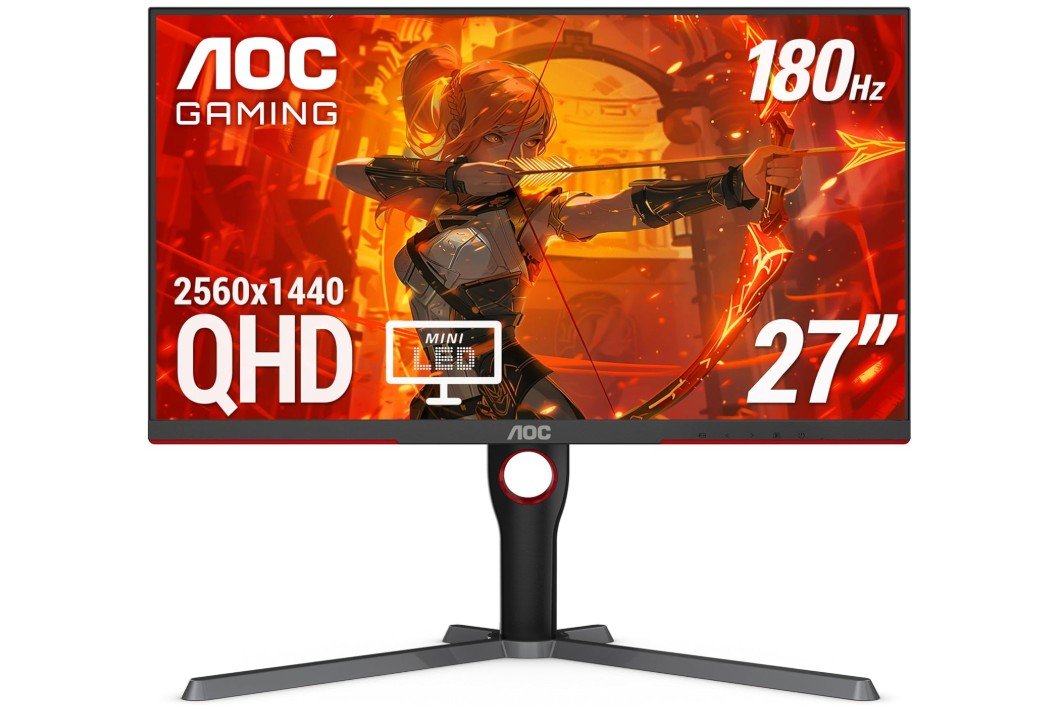
The AOC Q27G3XMN is one of the best value gaming monitors available for gamers who want premium HDR performance without paying OLED prices. Its 27-inch QHD Mini LED display delivers sharp visuals, deep blacks, and impressive brightness with HDR1000 support, making games look vivid and immersive. The 180Hz refresh rate and 1ms GtG response time provide smooth and responsive gameplay, while Adaptive Sync helps reduce screen tearing.
Color performance is excellent with wide sRGB coverage, and the VA panel offers strong contrast for dark scenes. Although slight black smearing and VRR flicker can appear occasionally, overall gaming and HDR performance are outstanding for the price.
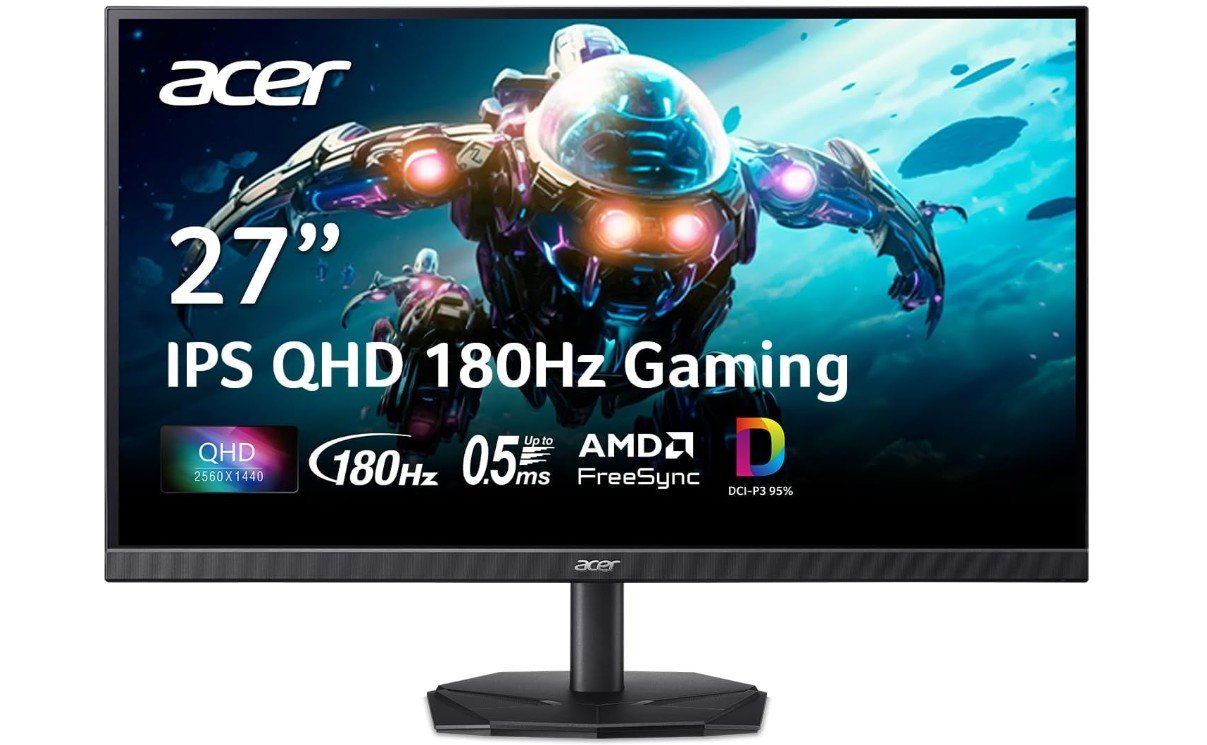
The Acer Nitro KG271U N3 is an excellent 27-inch QHD gaming monitor for gamers seeking smooth performance without a premium price. Its IPS panel delivers sharp 2560×1440 visuals with vibrant colors, covering 95% of the DCI-P3 color gamut. The 180Hz refresh rate and up to 0.5ms response time provide fluid gameplay with minimal motion blur, making it ideal for competitive titles. AMD FreeSync helps eliminate screen tearing, while HDR10 support enhances contrast in compatible content.
With DisplayPort and dual HDMI inputs, the monitor easily connects to PCs and consoles, offering strong overall value for 1440p gaming enthusiasts.
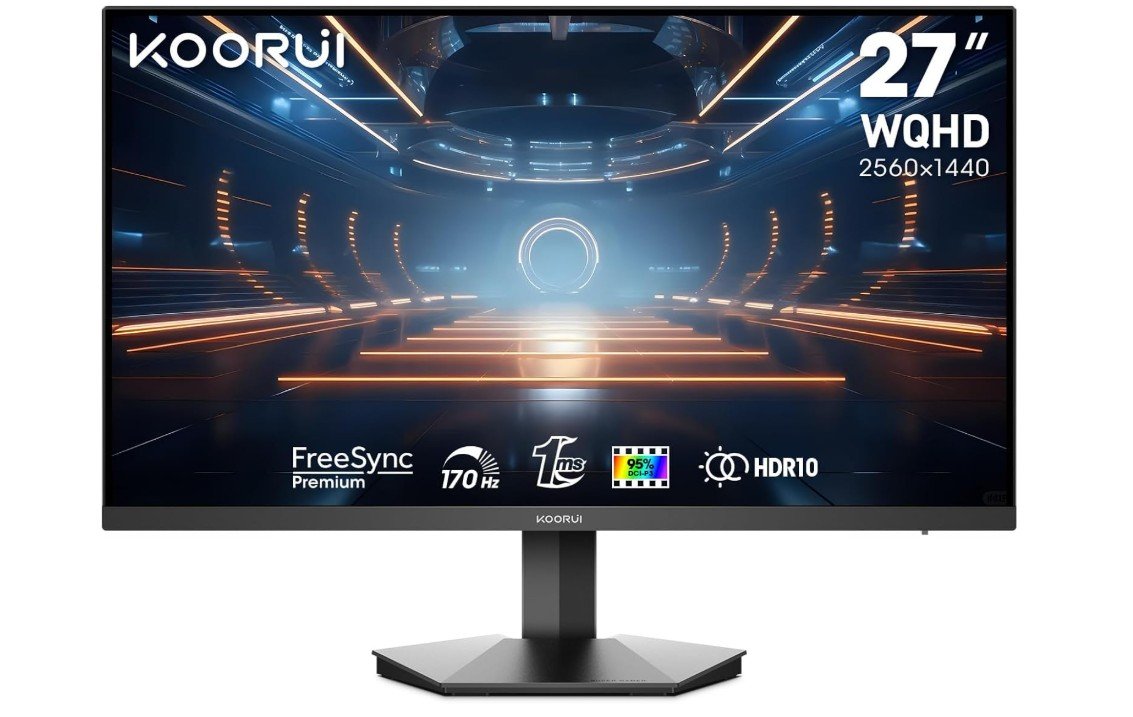
The KOORUI 27-Inch QHD IPS Gaming Monitor offers an impressive balance of performance, image quality, and affordability. Its 2560×1440 IPS panel delivers sharp visuals and vibrant colors, while the 170Hz refresh rate and 1ms response time provide smooth, responsive gameplay for competitive titles. Support for both G-SYNC Compatible and AMD FreeSync helps eliminate screen tearing and stuttering. HDR400 enhances contrast and brightness in supported content, and the fully adjustable stand allows comfortable viewing during long sessions.
With DisplayPort 1.4 and dual HDMI 2.0 inputs, this monitor is a versatile choice for PC gamers seeking excellent value in the 1440p category.
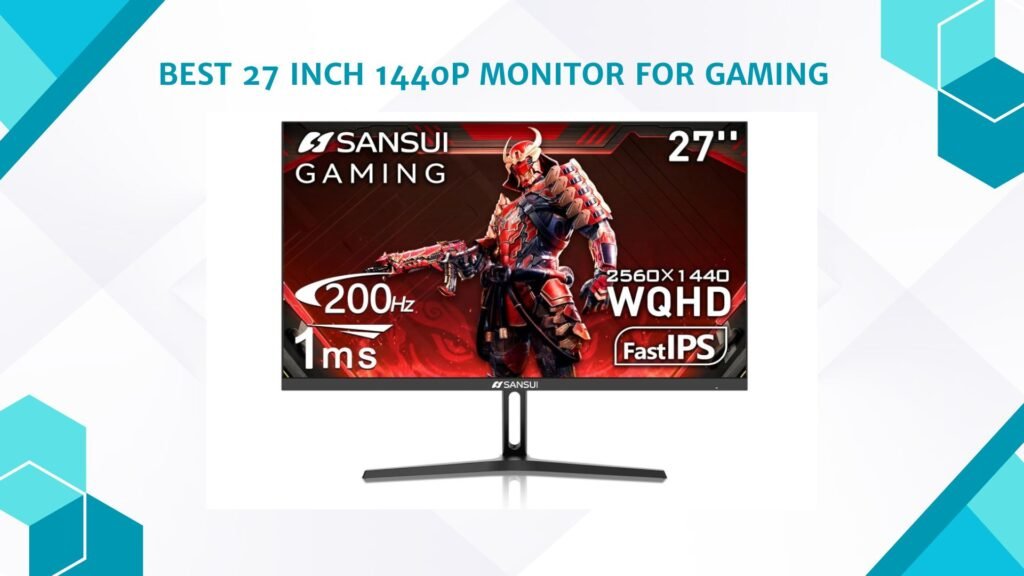
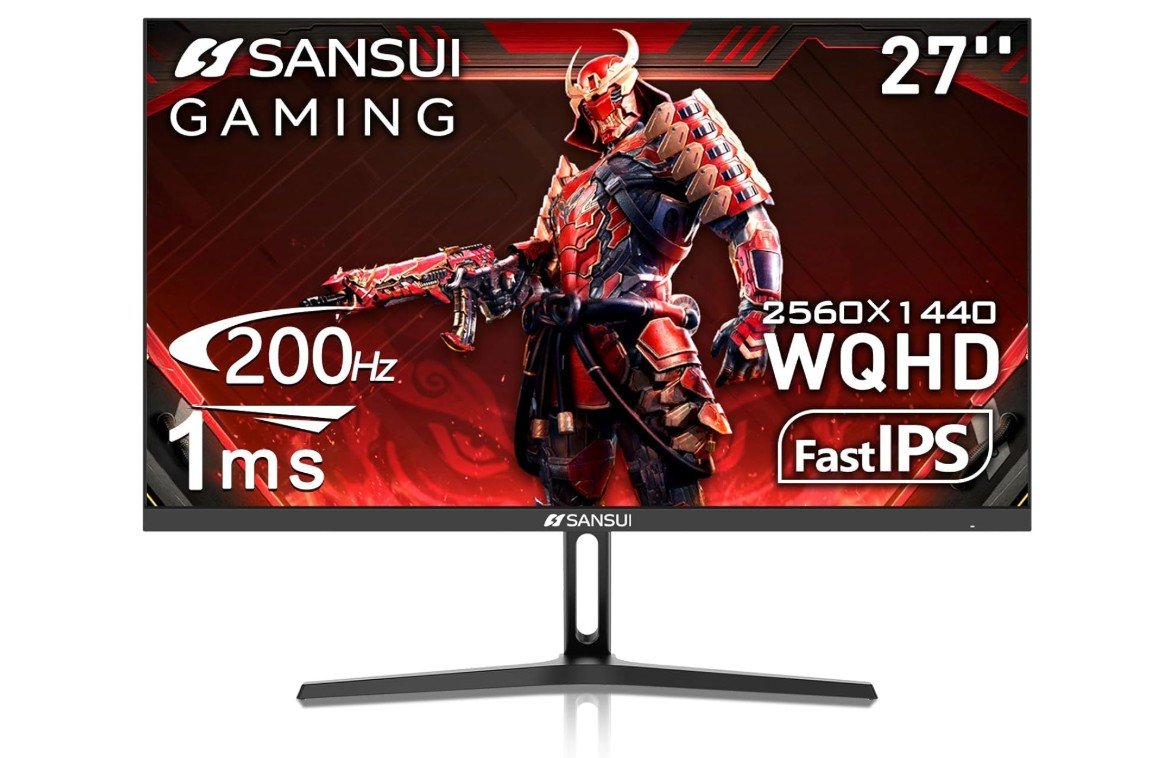
The SANSUI 27-inch WQHD IPS Gaming Monitor delivers excellent value for gamers looking for smooth performance and sharp 1440p visuals at an affordable price. Its 2560×1440 IPS panel provides clear detail, vibrant colors, and wide viewing angles, while the 200Hz refresh rate and 1ms response time make gameplay feel fast and responsive. With 120% sRGB coverage and HDR support, games and media appear colorful and lively.
The metal stand and VESA mount support add durability and flexibility, while eye-care features help during long gaming sessions. Although HDR performance is fairly basic and contrast is limited compared to VA panels, overall gaming performance and value are very impressive for the price.
27-inch 1440p Monitor for Gaming — Complete Buying Guide
A 27-inch 1440p gaming monitor is widely considered the perfect balance between image quality, performance, and price for modern gamers. It offers a major visual upgrade over standard 1080p displays while remaining easier to run than demanding 4K monitors. Whether you play competitive esports titles, story-driven AAA games, racing simulators, or multiplayer shooters, a good 1440p gaming monitor can completely improve your gaming experience with sharper visuals, smoother motion, and better responsiveness.
The 27-inch screen size works perfectly with 2560×1440 resolution because it provides excellent pixel density. Games look crisp and detailed without requiring Windows scaling adjustments, and text remains clear for browsing, streaming, or productivity tasks. This combination has become the sweet spot for PC gamers because it delivers excellent visual quality while still allowing high frame rates on modern graphics cards.
Why 1440p Is Better Than 1080p for Gaming
One of the biggest reasons gamers upgrade to a 1440p monitor is improved image clarity. Compared to 1080p, a 1440p display contains significantly more pixels, which results in sharper textures, cleaner edges, and more detailed environments. Games look far more realistic and immersive, especially open-world titles and visually demanding AAA games.
Competitive gamers also benefit from the extra sharpness because enemies and objects appear clearer at longer distances. In games like Call of Duty, Apex Legends, Valorant, and Battlefield, the improved detail can help with visibility and target tracking.
Another advantage is desktop space. A 1440p monitor gives you more room for multitasking, streaming software, editing tools, or multiple windows while gaming. This makes it an excellent choice not only for gaming but also for content creation, school, office work, and entertainment.
Why 27 Inches Is the Ideal Screen Size
The 27-inch size is considered ideal for 1440p because the pixel density remains balanced. At this size, images appear sharp without individual pixels becoming visible during normal viewing distances. Larger monitors may require higher resolutions like 4K to maintain the same sharpness, while smaller displays may not fully showcase the benefits of 1440p resolution.
A 27-inch monitor also fits comfortably on most desks and allows gamers to view the entire screen without excessive head movement. This is especially important for competitive gaming where quick reactions matter. Curved versions can add immersion for racing games and cinematic titles, while flat panels are often preferred for esports and general use.
Understanding Refresh Rate
Refresh rate is one of the most important features in a gaming monitor. It determines how many times the display updates every second. A higher refresh rate creates smoother motion, better responsiveness, and reduced motion blur.
144Hz and 165Hz
For most gamers, 144Hz or 165Hz is the ideal refresh rate range. Gameplay feels dramatically smoother compared to standard 60Hz displays, especially in fast-paced shooters and racing games. Mouse movement becomes more responsive, animations appear fluid, and overall gameplay feels more natural.
A 165Hz monitor is an excellent choice for gamers who want strong performance without overspending. It balances speed and affordability while remaining suitable for nearly every modern game.
240Hz and Higher
240Hz monitors are designed mainly for competitive gamers and esports enthusiasts. These displays provide even smoother motion clarity and lower perceived input lag. Professional players often prefer higher refresh rates because they improve tracking precision and responsiveness during fast movements.
However, to fully benefit from 240Hz gaming, your PC must consistently produce very high frame rates. Games like Valorant, CS2, Fortnite, and Rainbow Six Siege are ideal for these monitors because they can achieve extremely high FPS numbers on powerful systems.
IPS vs VA vs OLED Panels
The panel type greatly affects image quality, contrast, colors, and motion performance. Understanding the differences helps you choose the right monitor for your gaming style.
IPS Panels
IPS monitors are currently the most popular choice for gaming because they offer excellent color accuracy, wide viewing angles, and strong motion handling. Modern Fast IPS panels are extremely responsive and suitable even for competitive gaming.
IPS displays are ideal for gamers who want:
- Vibrant and accurate colors
- Good motion performance
- Wide viewing angles
- Balanced gaming and productivity use
Their biggest weakness is lower contrast compared to VA or OLED panels, meaning blacks may appear slightly gray in dark rooms.
VA Panels
VA panels are known for their superior contrast and deeper blacks. They are excellent for cinematic gaming and watching movies because dark scenes appear richer and more immersive.
Advantages of VA panels include:
- Better contrast ratios
- Deeper blacks
- More immersive dark scenes
- Great value for HDR gaming
Some VA monitors may suffer from black smearing during fast dark transitions, although newer high-end VA panels have improved significantly.
OLED Panels
OLED monitors are considered the premium option for gaming. Each pixel lights independently, allowing perfect blacks and infinite contrast. HDR performance on OLED displays is far superior to traditional LCD panels.
OLED gaming monitors provide:
- Incredible HDR quality
- Instant response times
- Perfect black levels
- Outstanding motion clarity
- Extremely vibrant colors
The main drawbacks are higher prices and potential burn-in risk with long-term static images. However, modern OLED gaming monitors include protection features that reduce these concerns significantly.
HDR Performance Explained
HDR, or High Dynamic Range, improves brightness, contrast, and color depth. Good HDR performance can make games look dramatically more realistic and immersive.
Many budget monitors advertise HDR support, but not all HDR experiences are equal. Basic HDR400 monitors may show only small improvements because they lack advanced backlighting technology.
HDR400
HDR400 is the most common entry-level HDR certification. These monitors offer limited HDR enhancement and usually do not include local dimming. While they can improve brightness slightly, they are not true high-end HDR displays.
Mini-LED HDR
Mini-LED monitors provide far better HDR performance because they use local dimming zones to control brightness more precisely. This creates brighter highlights and deeper blacks, improving overall image quality.
Mini-LED gaming monitors are an excellent middle ground between standard IPS displays and expensive OLED panels.
OLED HDR
OLED remains the best HDR technology available because every pixel can switch completely off independently. This creates unmatched contrast and extremely realistic lighting effects in games.
Response Time and Motion Clarity
Response time measures how quickly pixels change from one color to another. Lower response times reduce ghosting and motion blur during fast gameplay.
Modern gaming monitors usually advertise:
- 1ms response time
- 0.5ms response time
- 0.03ms response time on OLED panels
For most gamers, anything around 1ms is perfectly suitable. OLED monitors currently provide the best motion clarity due to their near-instant pixel response.
Adaptive Sync Technology
Screen tearing and stuttering can ruin gaming smoothness. Adaptive sync technologies solve this problem by synchronizing the monitor refresh rate with the GPU frame output.
AMD FreeSync
FreeSync is designed for AMD graphics cards but also works with many NVIDIA GPUs. It helps create smoother gameplay with reduced tearing.
NVIDIA G-SYNC
G-SYNC monitors are optimized for NVIDIA graphics cards and provide excellent variable refresh rate performance. Many modern gaming monitors are now officially G-SYNC Compatible.
A good gaming monitor should support at least one adaptive sync technology, though many now support both.
Common Mistakes to Avoid
Many buyers make the mistake of choosing specifications they do not actually need. Buying a 360Hz monitor for casual gaming may not provide noticeable benefits, especially if your PC cannot achieve extremely high frame rates.
Another common mistake is ignoring panel quality and focusing only on refresh rate. A balanced monitor with good colors, contrast, and responsiveness often provides a much better experience overall.
Some gamers also overspend on 4K monitors without having a powerful enough graphics card. In many cases, 1440p delivers a smoother and more enjoyable experience.
FAQs
27″ size with 2560×1440 resolution offers a great balance of sharp visuals and overall screen space for immersive gaming and general use. It’s often the sweet spot for both competitive and casual gaming.
Higher refresh rates (144 Hz and above) make gameplay feel smoother in fast-paced games. Many 27″ 1440p gaming monitors offer 144 Hz, 165 Hz, or even higher refresh rates if your GPU can handle it.
Yes. IPS panels usually have better colors and wider viewing angles, while VA panels can offer deeper contrast. OLED panels provide excellent contrast and fast pixel response but are pricier.
Adaptive sync, like FreeSync or G-Sync compatibility, helps eliminate screen tearing and stuttering when your GPU frame rate varies. Most modern gaming monitors support one or both.
Lower response times (like 1 ms) reduce ghosting and blur in fast motion, which is helpful in competitive gaming. Many gaming monitors advertise 1 ms MPRT or GtG figures.
Look for HDMI 2.0/2.1 and DisplayPort 1.4 for high refresh rate support, and USB ports if you need peripheral connectivity.
Conslusion
A 27 inch 1440p gaming monitor is the ideal middle ground for most gamers today. It offers a big upgrade in sharpness over 1080p, but it does not demand extremely powerful hardware like 4K does. With refresh rates now commonly ranging from 144Hz to 240Hz, you can enjoy smooth and responsive gameplay in both competitive and single-player titles. You also get more screen space for multitasking, streaming, and everyday computer use, which makes this size and resolution very practical.
Overall, 27 inch 1440p gaming monitors deliver excellent performance, great visuals, and long-term value. This category continues to be the best blend of image quality, speed, and affordability — which is why it remains the “sweet spot” for modern gaming setups.