
Last Updated on September 14, 2026 by Jawad
Introduction
A Wi-Fi mesh router for long range is designed to provide strong, seamless wireless coverage across large homes, multi-story buildings, and areas with weak signal zones. Unlike traditional routers, mesh systems use multiple nodes that work together to create a single unified network, helping eliminate dead spots and maintain stable internet speeds throughout the property. Many modern mesh routers also support WiFi 6 or WiFi 7 technology for faster performance, better device handling, and lower latency.
These systems are ideal for streaming, gaming, remote work, and smart home setups with many connected devices. A long-range mesh Wi-Fi system ensures reliable connectivity and smooth performance in every room of your home.
We also have a recommendation for the Best Wifi Routers for Multiple Devices, so make sure to check that out too!
How We Choose Products
- We evaluate products based on the factors that matter most to shoppers, including specifications, features, design, materials, performance, functionality, ease of use, intended use, durability, and overall value.
- Our recommendations are based on information available from manufacturers, retailers, product listings, customer feedback, and other publicly available sources, combined with our own independent editorial analysis.
- We aim to provide accurate, useful, and easy-to-understand product information. We distinguish manufacturer or retailer claims from our own assessment and avoid presenting marketing claims as independently verified facts.
- We do not claim to have personally tested a product unless we have hands-on experience with it. When we have not personally tested a product, our evaluation is based on available product information and careful editorial research.
- Our goal is to help readers compare their options and make more informed purchasing decisions based on their needs, preferences, and budget.
Top Wi-Fi Mesh Router for Long Range



Comparison
| Product | Image | Rating | Wi-Fi Standard | Coverage | Speed | Bands | Best For | Buy |
|---|---|---|---|---|---|---|---|---|
|
TP-Link Deco X55 AX3000 Mesh System 🏆 Best Overall | 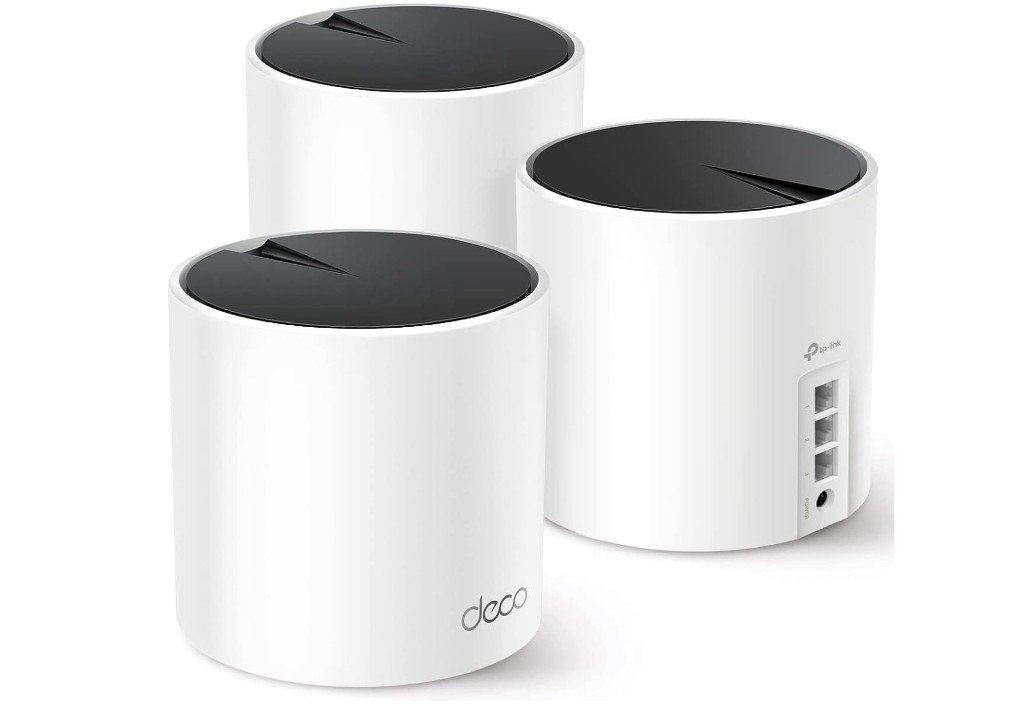 | ★★★★★ | Wi-Fi 6 (AX3000) | Up to 6,500 sq.ft | ~3 Gbps | Dual-Band | Large Homes | Check Price |
|
Tenda Nova MX12 AX3000 Mesh 💰 Best Budget |  | ★★★★☆ | Wi-Fi 6 (AX3000) | Up to 7,000 sq.ft | ~3 Gbps | Dual-Band | Big Homes on Budget | Check Price |
| TP-Link Deco BE25 Wi-Fi 7 Mesh | 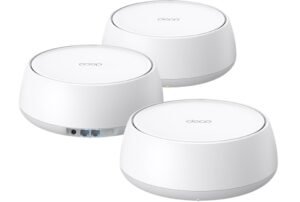 | ★★★★☆ | Wi-Fi 7 (BE5000) | Up to 6,600 sq.ft | ~5 Gbps | Dual-Band | Future-Proofing | Check Price |
| TP-Link Deco XE75 Pro AXE5400 | 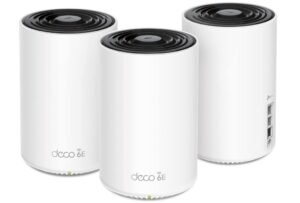 | ★★★★☆ | Wi-Fi 6E (AXE5400) | Up to 7,200 sq.ft | ~5.4 Gbps | Tri-Band (6GHz) | Low Interference | Check Price |
| TP-Link Deco BE63 Wi-Fi 7 Pro | 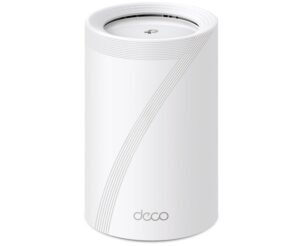 | ★★★★★ | Wi-Fi 7 (BE10000) | Up to 7,000+ sq.ft | ~10 Gbps | Tri-Band | Ultra Fast Homes | Check Price |
The TP-Link Deco X55 AX3000 Mesh System is an excellent long-range Wi-Fi 6 solution for large homes that struggle with dead zones and weak signals. The 3-pack setup covers up to 6500 sq. ft., delivering strong, seamless connectivity for streaming, gaming, smart homes, and remote work across multiple floors. With AI-driven mesh technology, Ethernet backhaul support, and three Gigabit ports per unit, performance stays stable even with many connected devices.
Setup through the Deco app is quick and beginner-friendly, while roaming between nodes feels smooth and automatic.
Overall, the Deco X55 offers impressive coverage, reliable speeds, and outstanding value for users needing dependable whole-home Wi-Fi.
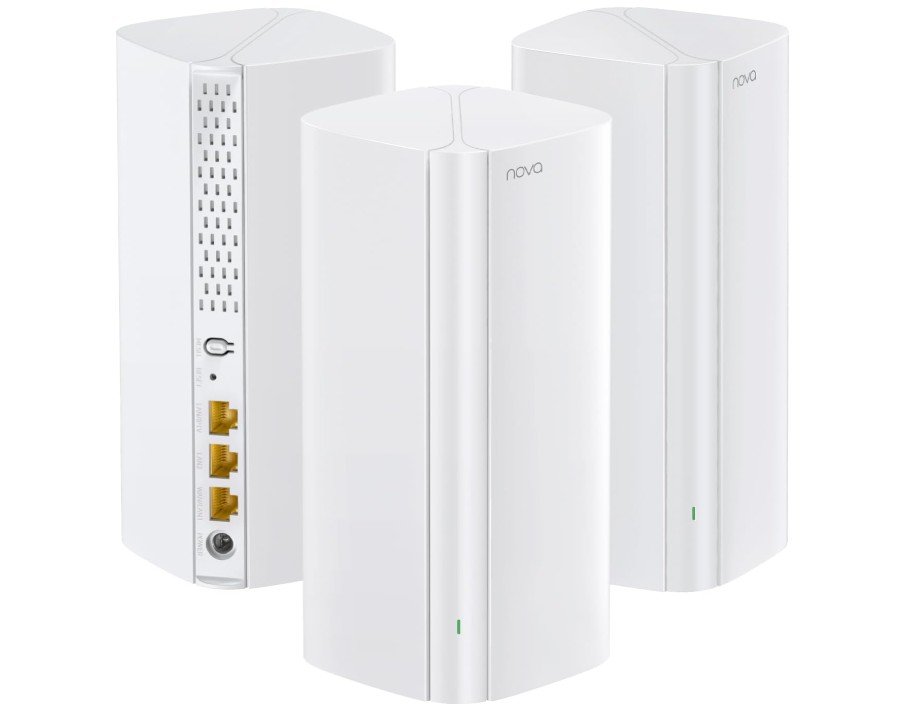
The Tenda Nova MX12 AX3000 Mesh System is a strong long-range Wi-Fi 6 solution designed for large homes with heavy device usage. Its three-node setup provides coverage up to 7,000 sq. ft., helping eliminate dead zones while maintaining stable performance throughout the house. Dual-band AX3000 speeds handle 4K streaming, gaming, video calls, and smart home devices smoothly, even with over 100 connected devices.
Setup is simple through the Tenda app, and seamless roaming keeps connections stable when moving between rooms. Ethernet backhaul support also improves reliability for demanding users.
Overall, the Nova MX12 offers impressive coverage, solid speeds, and excellent value for whole-home mesh networking.
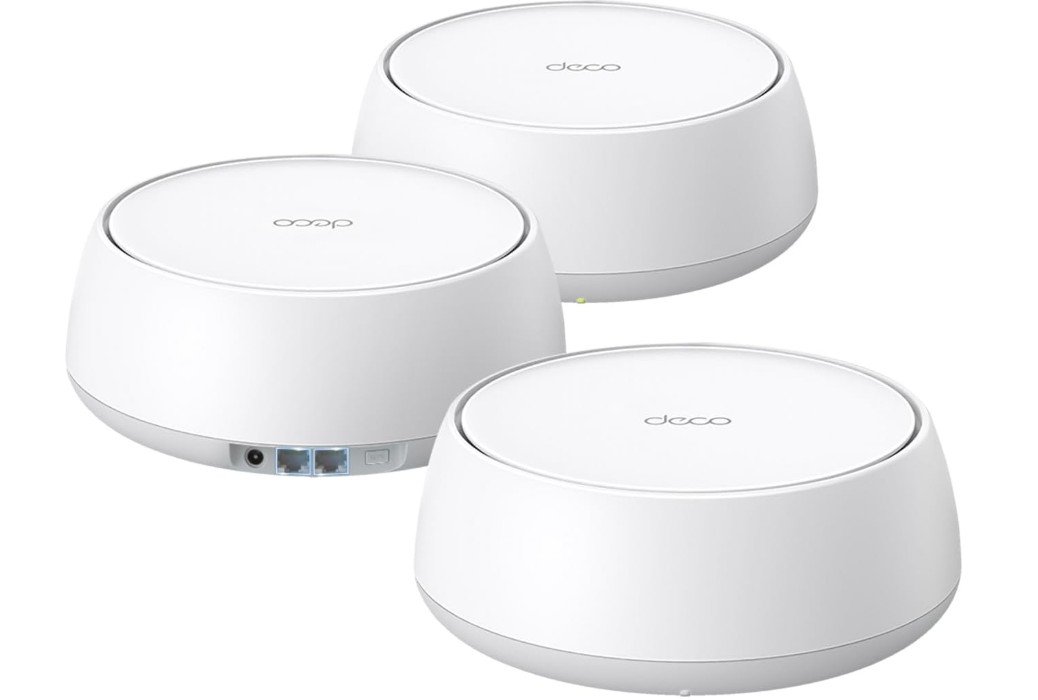
The TP-Link Deco 7 BE25 is a powerful yet affordable Wi-Fi 7 mesh system built for long-range whole-home coverage. The 3-pack setup covers up to 6,600 sq. ft., making it ideal for large homes with multiple floors and many connected devices. With BE5000 dual-band speeds, Multi-Link Operation (MLO), AI-Roaming, and dual 2.5G ports on every unit, it delivers smooth streaming, gaming, and smart home performance.
Setup through the Deco app is simple, and Ethernet backhaul support improves stability even further. While it lacks the 6GHz band found in premium Wi-Fi 7 systems, it still offers excellent real-world speeds and outstanding value for most households needing reliable long-range connectivity.
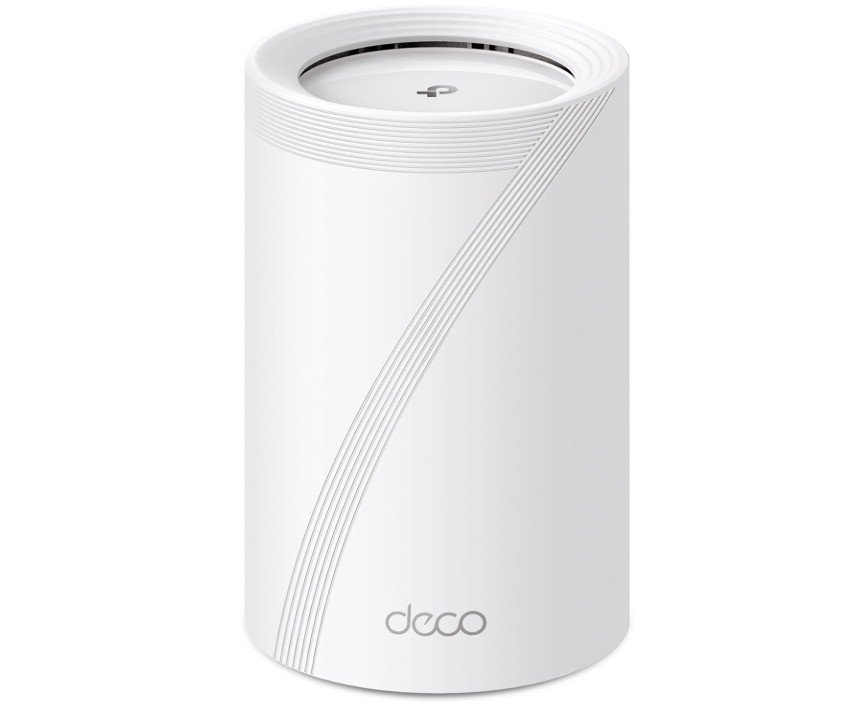
The TP-Link Deco 7 Pro BE63 is a premium tri-band Wi-Fi 7 mesh system built for users who want exceptional long-range coverage and multi-gigabit performance. Even a single unit delivers strong coverage for large homes, while additional Deco nodes can easily expand the network further. With Wi-Fi 7 features like Multi-Link Operation (MLO), 320MHz channels, and speeds up to 10Gbps, it handles 4K/8K streaming, competitive gaming, smart homes, and heavy multi-device usage effortlessly.
The four 2.5G ports are excellent for high-speed wired backhaul and NAS setups. Setup through the Deco app is simple, and HomeShield security adds extra protection.
Overall, the BE63 offers outstanding speed, coverage, and future-proof networking performance.
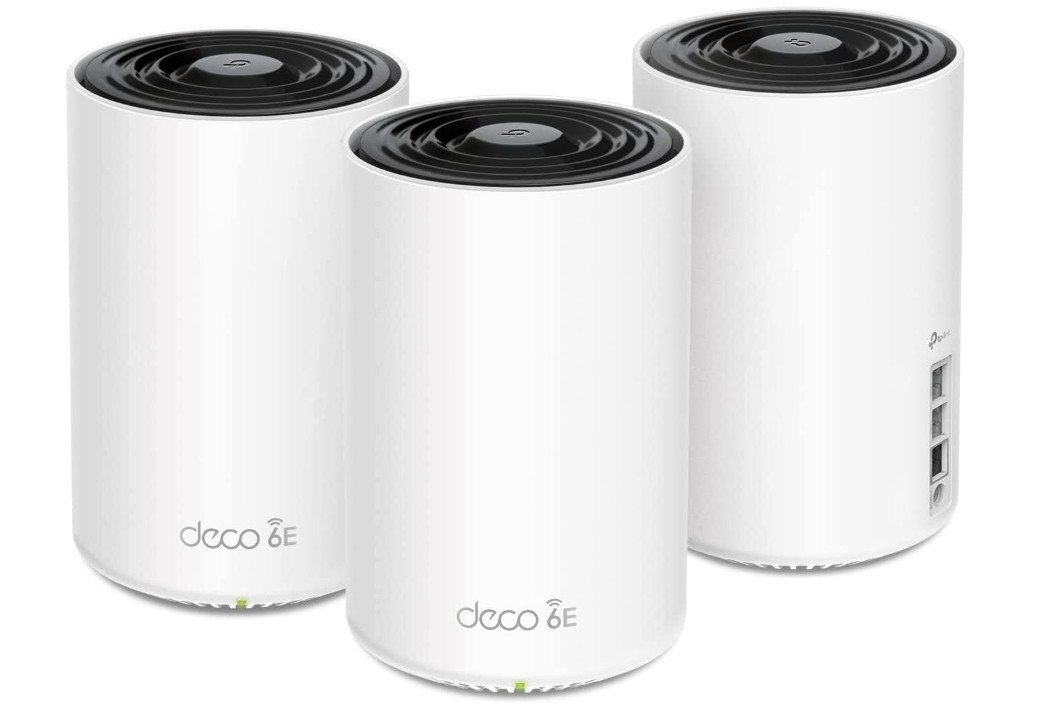
The TP-Link Deco XE75 Pro AXE5400 is an outstanding long-range Wi-Fi 6E mesh system designed for large homes with demanding internet needs. Its tri-band setup includes the new 6GHz band, providing faster speeds, lower latency, and reduced congestion for gaming, streaming, and smart home devices. The 3-pack covers up to 7,200 sq. ft., delivering strong, seamless connectivity across multiple floors with AI-driven mesh roaming.
The built-in 2.5G WAN/LAN port and Ethernet backhaul support make it excellent for high-speed fiber connections and wired networking. Setup through the Deco app is simple and beginner-friendly.
Overall, the XE75 Pro offers premium coverage, stable performance, and future-ready Wi-Fi for modern households.
Buying Guide — Wi-Fi Mesh Router for Long Range
If your home is big, has many rooms, thick walls, or an upstairs and downstairs, a single router often cannot give good Wi-Fi everywhere. A long-range mesh Wi-Fi system uses two or more units (nodes) that work together to give one strong network across your whole house. This guide will help you choose the right mesh system.
Why choose a mesh system for long range
A mesh system spreads Wi-Fi from several places so signals reach far rooms and outdoor spots. It hands your phone or laptop to the best node automatically, so you do not lose connection when you move. Compared to a simple extender, mesh systems give smoother speeds and better roaming across the home.
Factors to consider when buying a long-range Wi-Fi mesh router
Below are the important factors you should check, explained in clear, simple English. These points will help you pick a mesh system that actually works well in a large home.
1. Purpose and real needs
Decide what you use the internet for and how many people/devices will use it. Streaming 4K video, cloud work, many smart devices, and online gaming all need stronger hardware than simple web browsing. Write down problem rooms (garage, backyard, attic) so you can match coverage to real needs.
2. Home size, layout, and building materials
Square footage matters, but layout and materials matter more. Open-plan homes need fewer nodes than homes with many small rooms. Thick concrete, brick, metal, and foil-backed insulation block Wi-Fi. Glass, mirrors, and kitchen appliances can also reduce signal. Map problem areas before buying.
3. Wi-Fi standard (6 / 6E / 7)
- Wi-Fi 6: Excellent balance of price, speed, and device handling.
- Wi-Fi 6E: Adds 6 GHz band — cleaner channels, less interference.
- Wi-Fi 7: Highest speeds and new features (MLO, wider channels) — best for future proofing but costlier.
Pick the standard that fits budget and how long you plan to keep the system.
4. Number of nodes and expandability
Buy enough nodes to cover all problem areas, and choose a system you can expand later. A 3-pack is common for large homes, but you may need 4–6 nodes for complex layouts. Confirm the brand sells compatible extra satellites.
5. Backhaul: wired vs wireless
- Wired backhaul (Ethernet): Best performance and reliability for long range. Use it whenever possible.
- Wireless backhaul: Easier, but speed can drop with distance/interference. Tri-band or 6 GHz systems handle wireless backhaul better.
If you have Ethernet in walls or can run cables, wired backhaul is the single best upgrade.
6. Bands and channel options
- Dual-band (2.4 + 5 GHz): Basic, lower cost.
- Tri-band: Adds a dedicated radio for backhaul or extra capacity — better for wireless links.
- 6 GHz band (6E/7): Clean, fast band for modern devices and backhaul.
Tri-band or 6 GHz is preferable when you cannot wire nodes.
7. Multi-device tech: OFDMA, MU-MIMO, Beamforming
These features let the router handle many devices at once, reduce latency, and focus signals to devices. They matter a lot in smart homes with many simultaneous connections.
8. Ports and multi-gig support
Check the Ethernet ports per unit: Gigabit (1 Gbps) is standard; 2.5G or higher is important if you have multi-gig internet or heavy local file transfers (NAS, media server). More LAN ports let you connect wired devices directly to each node.
9. CPU, RAM, and internal hardware
Stronger processors and more RAM improve real-world performance under load (many devices, security scanning, QoS). Look for nodes that advertise multi-core CPUs if you run lots of services or many cameras.
10. Antenna design and placement flexibility
Internal antennas look nicer but external antennas may give easier orientation/control. Check node size — bulkier nodes may be harder to place discretely in ideal spots.
11. Software features and security
Look for WPA3 support, automatic firmware updates, intrusion/malware protection, and optional paid security suites. Confirm whether advanced features (VPN, DNS filtering, device isolation) are included or behind a subscription.
12. App quality and user interface
A good app makes setup and management simple. Useful app features: device lists, traffic insights, scheduling (pause internet), speed tests, map or signal indicator, and easy guest network creation. Read app reviews — a bad app can make a good router frustrating.
13. Parental controls and QoS
If you need to manage kids or prioritize gaming/streaming, check parental control options (time limits, content filters) and QoS settings (easy priority toggles or advanced controls).
14. Firmware updates and vendor support
Prefer brands known for regular security updates and good customer support. Firmware updates fix bugs and sometimes improve range and performance.
15. Power, heat, and reliability
High-performance nodes can run warm and draw more power. If you place nodes in closed spaces, heat can reduce lifespan. Check reviews for reliability reports and runtime stability.
16. Latency and gaming features
For gamers, low latency is critical. Wired connections are best. If wireless, pick systems with gaming modes, traffic prioritization, and low-latency features (or newer standards like 6E/7 that reduce airtime contention).
17. Compatibility with modem/ISP and other gear
Ensure the mesh system works with your modem or modem/router combo. Some ISPs block certain modes; check compatibility and whether you need to put ISP modem into bridge mode.
18. Outdoor coverage and placement for yards/garages
If you need yard or porch coverage, place a node near an external wall or consider an outdoor access point. Weatherproof outdoor units are better for permanent outside use.
19. Price, warranty, and total cost of ownership
Compare upfront price, subscription fees for security features, and warranty length. A slightly higher initial cost may be worth it for longer warranty and regular updates.
20. Real-world reviews and tests
Look for independent long-range tests and user reports about signal strength through walls and distance. Lab speeds are useful, but long-range behavior is best judged by real user experiences.
21. Future proofing vs current needs
Decide whether to buy the latest standard (6E/7) or save money with Wi-Fi 6. Consider how long you’ll keep the system and whether your devices or ISP speeds will use the extra capacity.
FAQs
A mesh Wi-Fi system uses multiple nodes (router + satellites) placed around your home to eliminate dead zones and provide seamless, wide coverage across large areas, unlike a single router.
Mesh nodes communicate with each other to relay signals farther from the main router, boosting coverage throughout your house or property without major signal loss.
Yes — more nodes help cover larger distances and floors more reliably than a single unit or extender because the mesh network spreads signals evenly.
Some mesh systems can work with an existing router in access point mode, but full coverage and performance are best when the mesh system is the main network.
Yes — thick walls and floors can weaken signals, so placing nodes strategically (near open space) helps improve effective long-range coverage.
Yes — mesh offers seamless roaming and consistent speeds across your network, whereas extenders often create separate networks with weaker performance.
Conclusion
For true long-range reliability, Ethernet backhaul plus nodes with good hardware gives the best result. If wiring is not possible, choose tri-band or the newest Wi-Fi standard and place nodes carefully. Match features to how you really use the internet — that will give the best value and long-term satisfaction.